
Why Zimbabwean farmers should consider goats
Sifiso Agbetorwoka on the economics of goat farming: from the poor man's cow to a smart business investment, with feed as 60 to 70 percent of the cost and value addition in meat, milk, skins and manure.
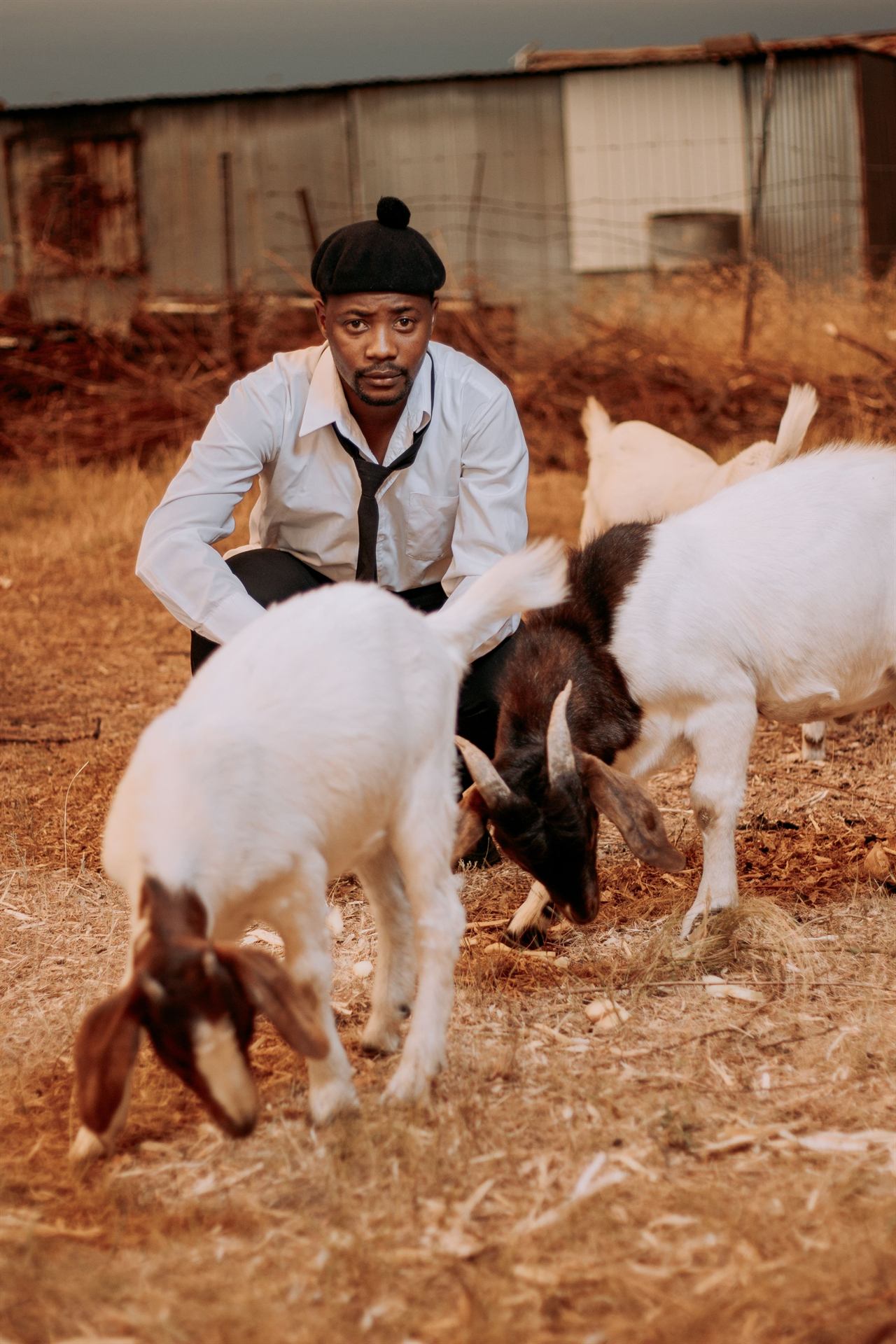
In this Talking Farming column, Sifiso Agbetorwoka makes the business case for goats to Zimbabwean farmers who still regard them as the poor man's cow. Her argument is that a goat enterprise, run with records and a plan, is a smart investment rather than a fallback.
The column works through the economics. Goats need less land and capital than cattle, reproduce faster, and can be sold in small numbers when cash is needed. Feed is identified as the largest cost, at about 60 to 70 percent of the total, which is why nutrition planning, browse management and drought feeding decide whether a herd makes money.
She also sets out the value-addition opportunities beyond live sales: goat meat and meat products, milk, skins and manure, each of which can turn a subsistence flock into a business with several income lines.
The message to prospective members is practical. Start with the right breed for your area, keep records from the first animal, budget for feed, and treat the herd as an enterprise with targets for kidding rate, weaning weight and offtake.
This is an original summary of the published article; the full text remains with the publisher. Read the full article at heraldonline.co.zw.